



By Janak Parikh, MD FACS — Double Board-Certified Plastic Surgeon, Town & Country Plastic Surgeons and Medspa, Houston
Have your breasts started looking lower, flatter, or different than they did after your breast augmentation or lift? Are your implants sitting lower than they used to, or have you noticed changes after pregnancy, weight loss, or simply the passage of time?
If so, you’re not imagining it, and you’re certainly not alone. This is one of the most common reasons women come back to see me, often a decade or more after their original surgery. The good news is that these changes are usually expected and often have a straightforward explanation.
Breast implants and the results of a breast lift are not meant to last forever in the way many women expect when they first have surgery. Understanding why things change over time, and what your options look like now, whether that’s implant exchange, explant, or a breast lift revision, can take a lot of the worry out of deciding what to do next.
Contents
Why Your Results Change Over Time
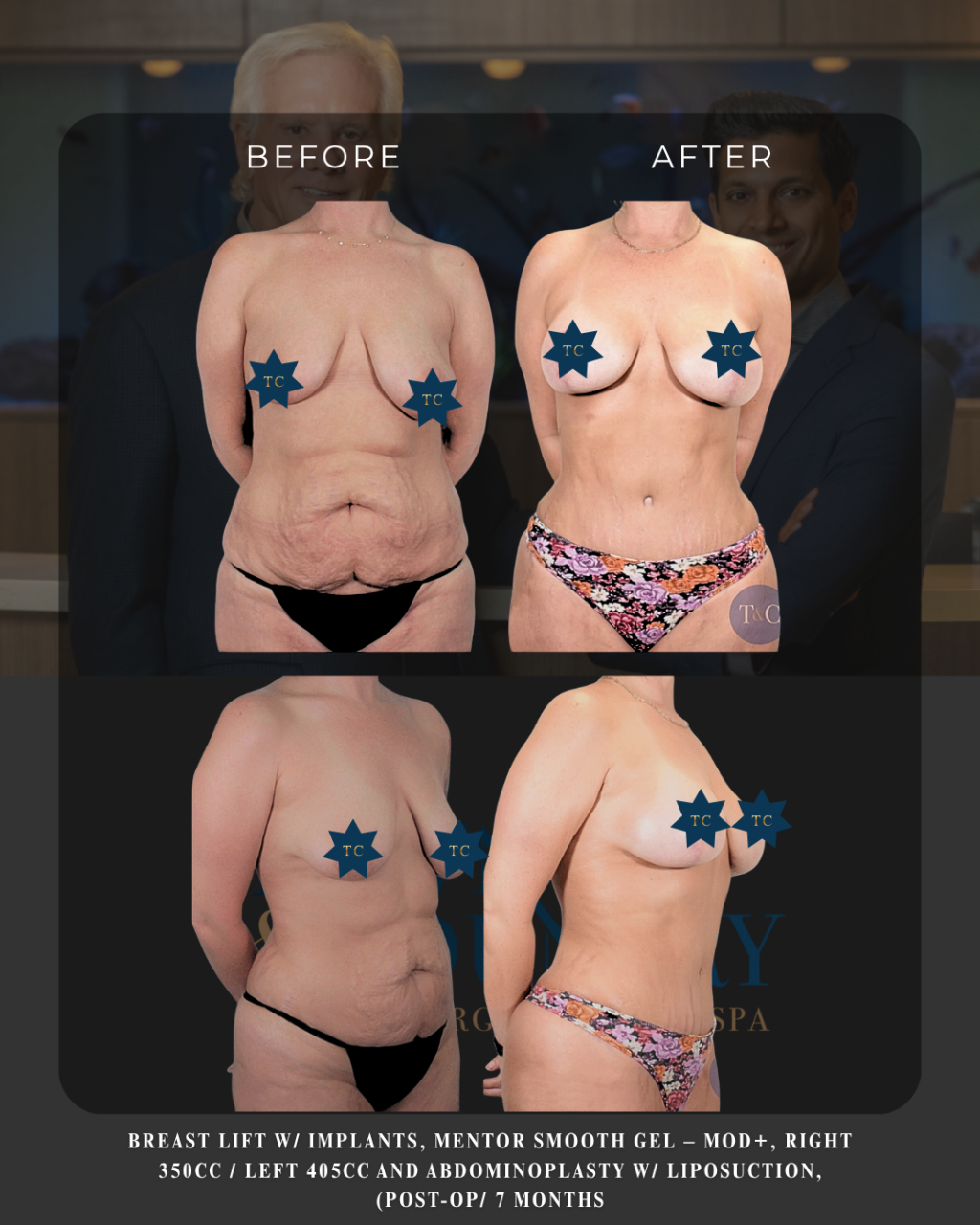
A breast lift works by tightening the skin envelope and repositioning the nipple and areola higher on the breast. It does not change the underlying biology of your skin or the internal ligaments that support breast tissue.
Those structures continue to respond to gravity, to the natural decline in skin elasticity that comes with age, and, if you have implants, to the constant weight of the implant pressing against the lower pole of the breast, every day, for years. None of this means your original surgery failed. It means your tissue kept aging after the surgery was finished, which is exactly what tissue does, and it’s exactly why breast implant revision is such a common procedure.
While breast implants do not have a specific expiration date, many women eventually choose revision surgery 10 to 15 years after their original procedure. The reason varies from patient to patient and may include changes in breast shape, implant position, personal aesthetic goals, or concerns about aging implants.
Silicone implants are also worth monitoring even without symptoms: rupture is often silent, which is why the FDA recommends an MRI or ultrasound starting five to six years after placement and every two to three years after that. Saline implants are more straightforward to monitor, since a rupture causes a visible, fairly rapid deflation you would notice on your own.
A Pattern Many Women Recognize
Over years of practice, I’ve seen a pattern repeat itself often enough that I think it helps to name it. Many women have their original augmentation in their twenties.
In their thirties, pregnancy and breastfeeding stretch the breast envelope, and the tissue often doesn’t fully bounce back afterward. This is usually the first point a woman considers a revision, often a breast lift revision combined with an implant exchange.
Through her forties, results tend to hold reasonably well with only gradual change. Then, in her fifties and sixties, the combined effects of menopause, decades of skin aging, and the long-term weight of an implant tend to bring ptosis back more noticeably, prompting a second, more significant decision.
At that later stage, I see two paths chosen about equally often. Some women want their implants exchanged for something more suited to where their body is now, often smaller, paired with a fresh lift to restore position. Others decide they’re simply done with implants altogether and pursue an explant: they’d rather have them removed and let a well-executed lift recontour their natural tissue without the upkeep, screening, or long-term uncertainty implants carry. Both are good options. Which one is right depends entirely on your tissue, your goals, and how you feel about maintaining implants going forward, not on what you chose the first time around.
Signs It May Be Time for a Consultation
You don’t need to have a major problem to benefit from an evaluation. Common reasons women schedule a breast revision consultation include:
- Increased sagging or loss of upper-pole fullness
- Implants that appear lower or farther apart than before
- Changes following pregnancy, breastfeeding, or significant weight loss
- Breast asymmetry that has become more noticeable over time
- Firmness, discomfort, or concerns about capsular contracture
- Implants that are more than 10 years old and have not been evaluated recently
Often, patients are simply looking to understand what has changed, and what options are available to restore a shape that better reflects their current goals.
Why Revision Surgery Takes More Skill, Not Less
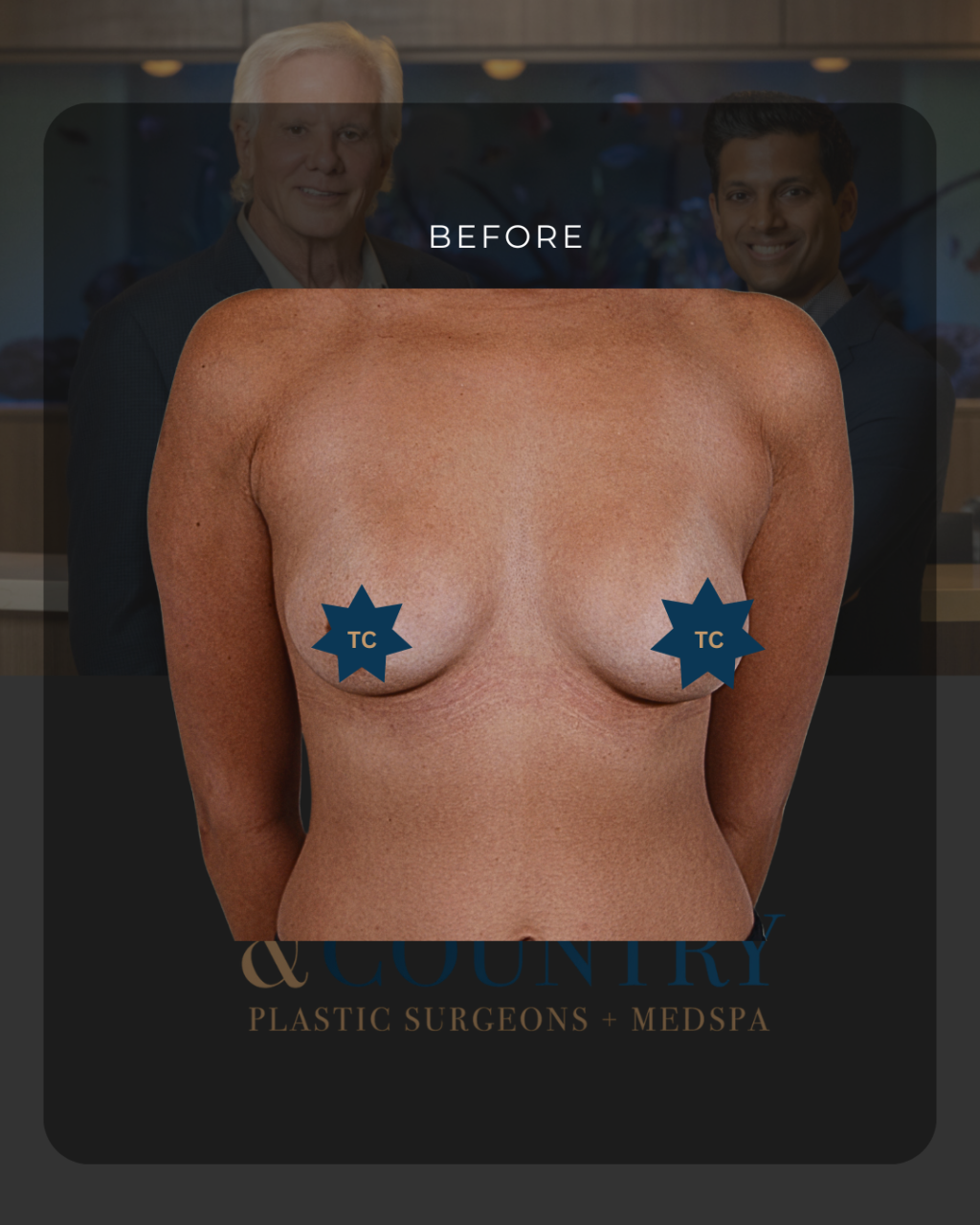
It’s tempting to assume a second surgery will be simpler than the first, since you’ve already been through it once. In my experience, revision surgery is usually the more demanding operation, not the easier one. Prior surgery leaves the breast with thinner tissue, an existing capsule, shifted landmarks, and less of a margin for error.
One risk in particular deserves your attention if you’re considering a second lift, with or without removing your implants: the blood supply to your nipple and areola is more vulnerable than it was the first time.
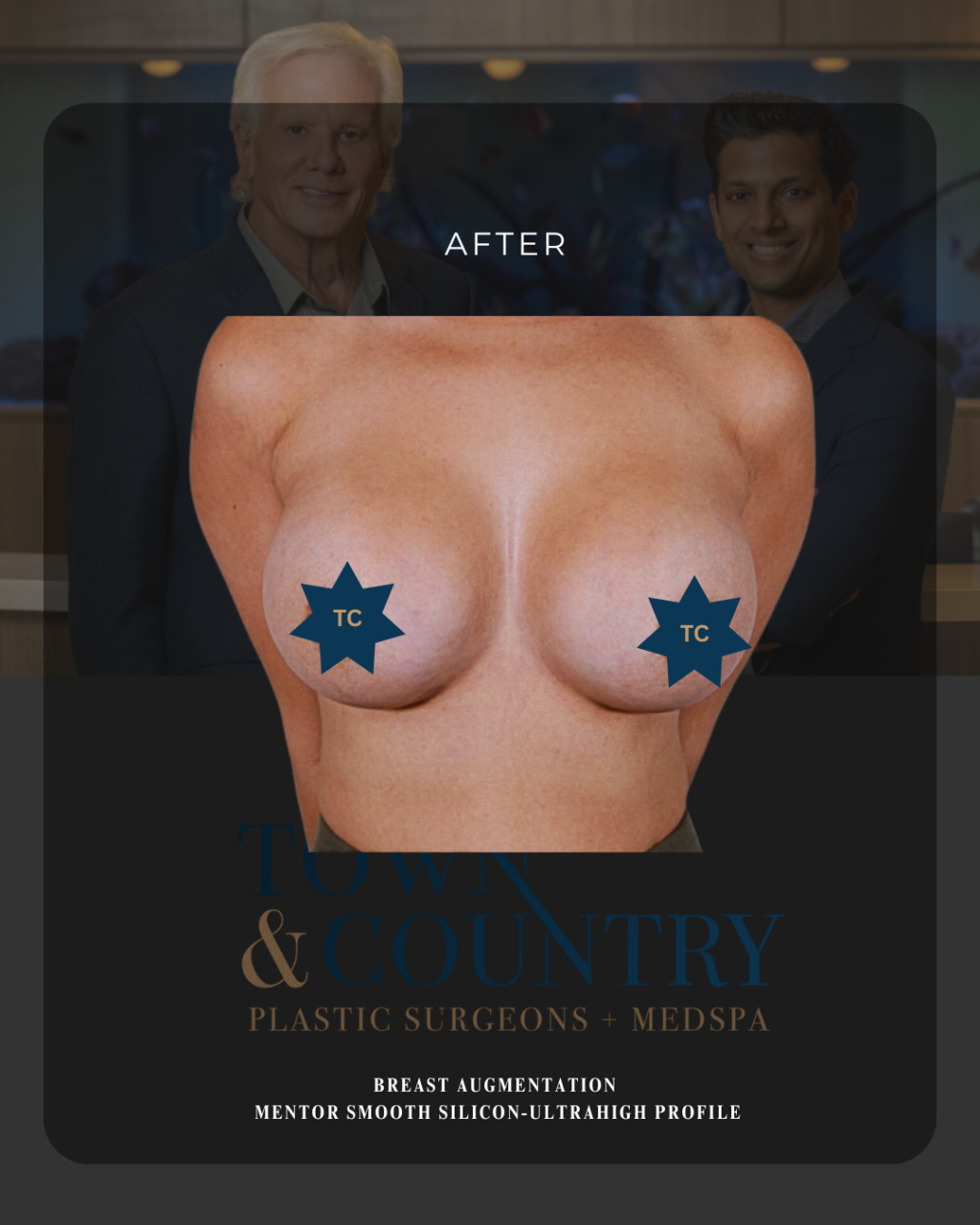
An implant gradually thins the tissue along the lower pole of the breast, and that same tissue often carries part of the blood supply a lift depends on to keep the nipple healthy during healing. When a surgeon isn’t deliberate about pedicle design and tissue handling in a revision case, the result can be reduced blood flow to the nipple and areola, and in serious cases, irreversible loss of tissue. This is a well-documented risk in revision surgery specifically, and it’s a major reason experience with revision cases in particular, not just primary augmentation or implant exchange, matters so much in choosing a surgeon.
Revision surgery sometimes also calls for additional support that a first-time procedure doesn’t need. When the breast’s own tissue has stretched and thinned to the point that it can’t reliably hold a new position on its own, I’ll often reinforce the lower pole with bioresorbable mesh.
Think of it as an internal scaffold that holds everything in place while your own tissue heals and matures around it. Not every revision needs this, but in cases with significant laxity or a history of implants settling or shifting, it meaningfully improves how well the result holds over time.
What This Means for You
If you’re noticing changes since your last surgery, whether it’s been five years or twenty-five, the most important step is understanding where your breasts and implants stand today and what options best align with your goals. Depending on your anatomy and preferences, that may involve an implant exchange, implant removal, a lift, additional support, or a combination of procedures.
As a double board-certified plastic surgeon who regularly performs breast revision surgery, I believe every patient deserves a personalized discussion about the benefits, limitations, and tradeoffs of each approach before making a decision.
Your body has continued to change over time, and that’s completely normal. If your implants are more than 10 years old, if you’ve noticed significant changes in shape or position, or if you’re simply curious about your options, I’d be happy to help you understand what comes next.
Janak Parikh, MD FACS
Double Board-Certified Plastic Surgeon
Town & Country Plastic Surgeons and Medspa, Houston, TX · (713) 467-0146